
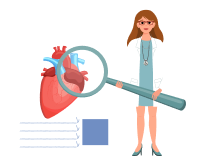

Atrial fibrillation is a heart disease (heart rhythm disorder – arrhythmia) that is characterized by an irregular and often rapid heartbeat.
Many people with atrial fibrillation do not experience any symptoms. Observable symptoms can be:
If you are experiencing any of these symptoms but have not yet been diagnosed with atrial fibrillation, it is important to discuss your condition with your doctor.
The heart has four parts – two atria and two ventricles. Atrial fibrillation is characterized by chaotic electrical activity in the atria that disrupts the natural rhythm of the heart. As a result, the atria do not contract properly and the heart does not pump blood as efficiently as it normally does.
Atrial fibrillation itself is usually not life-threatening; however, if left untreated, it increases the risk of stroke by up to fivefold. Your doctor may prescribe anticoagulant treatment, which can significantly reduce the risk of stroke.
Anticoagulants are medications that reduce the formation of blood clots. They are usually prescribed to patients with atrial fibrillation to reduce the risk of stroke.
In atrial fibrillation, the blood does not pump efficiently. This can lead to blood pooling in the heart’s atrium and forming a blood clot. The formed clot or pieces of the clot can travel through the bloodstream. If the clot blocks blood flow to the brain, it can cause a stroke.
A stroke can occur suddenly and can have immediate and permanent negative health effects. If you notice any of the signs or symptoms of a stroke, you should seek medical attention as soon as possible.
Contact our cardiology experts for personalized advice.